
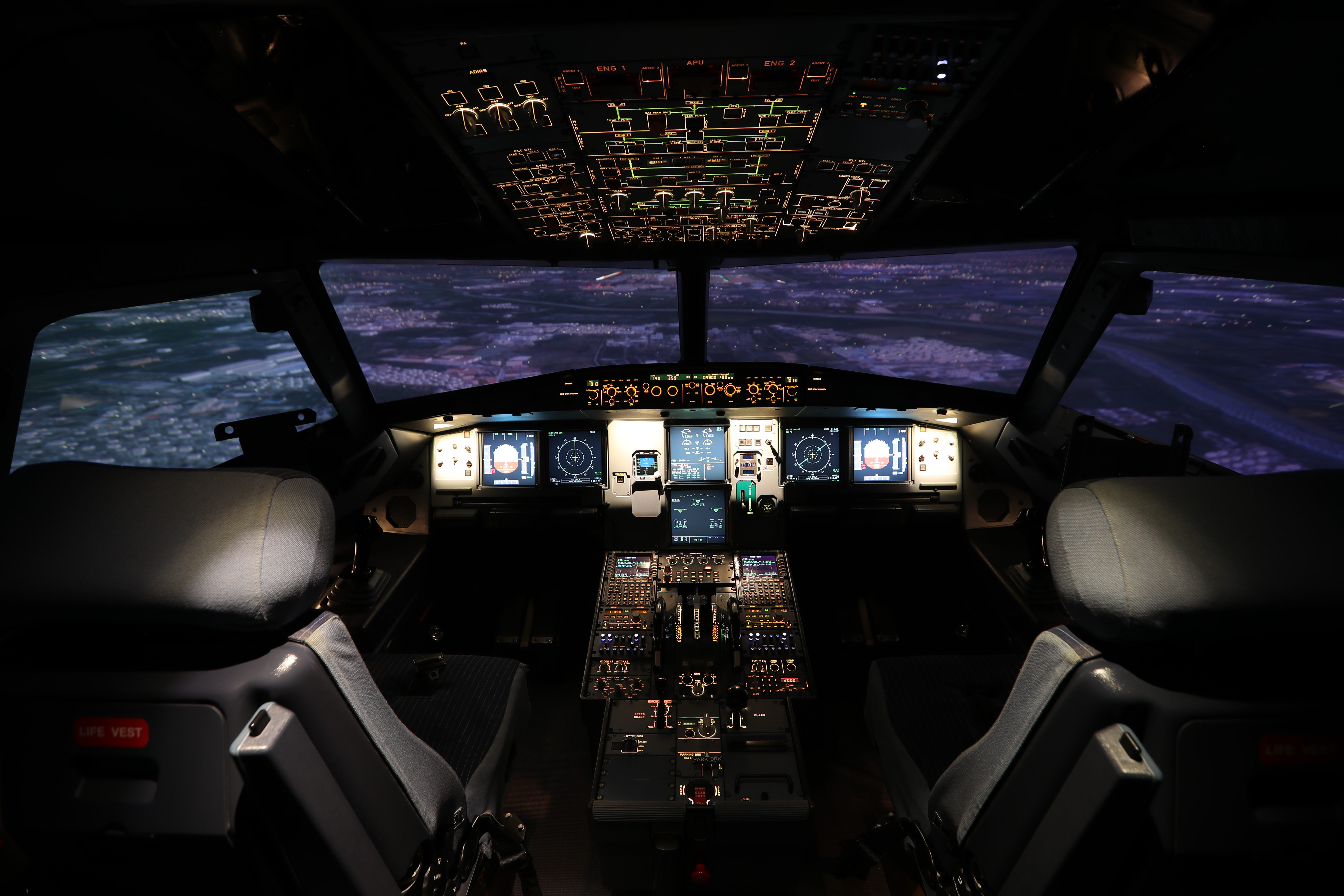
An Airbus A320neo full flight simulator jointly developed by ACCEL (Tianjin) Flight Simulation Co., Ltd. and Zhuhai Xiangyi Aviation Technology Co., Ltd. has achieved Level D qualification from the Civil Aviation Administration of China (CAAC). ACCEL described it as the first highly customized device developed around the training needs of Chinese pilots and the first full flight simulator jointly designed, developed, manufactured and taken through qualification by a simulator manufacturer and a training operator.
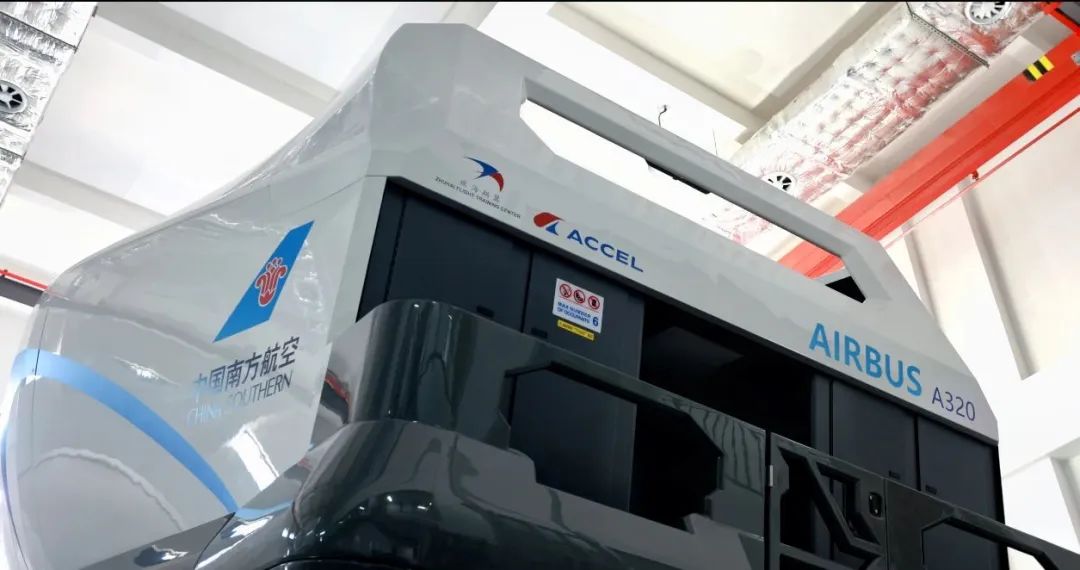
The partners combined ACCEL’s CSF simulation architecture and simulator development experience with Xiangyi’s expertise in flight training and data simulation. To meet training needs in China, they developed a new generation of interfaces and applications, including an instructor operating station, a debriefing system, a diagnostics system and weather simulation for scenarios involving multiple thunderstorms. A team of senior pilots conducted hundreds of hours of flight testing over nearly three months. During that period, the development team tracked and addressed more than 600 issues identified in testing ahead of Level D qualification.
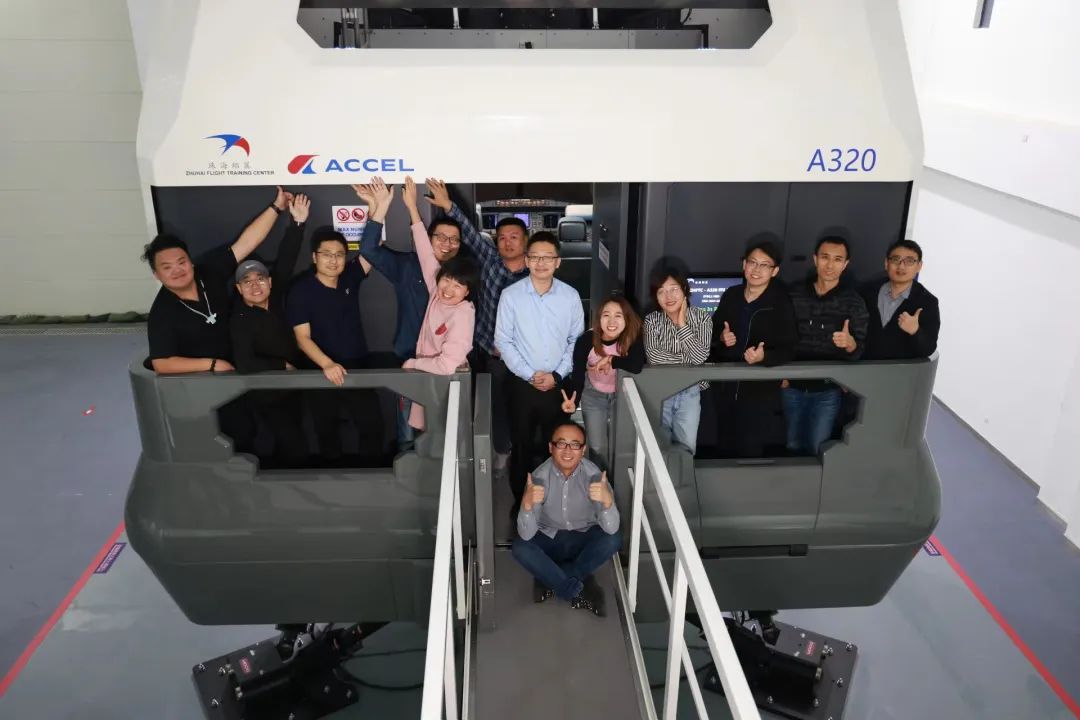
Members of ACCEL’s on-site team for the Zhuhai Xiangyi project
ACCEL has developed and delivered several Level D full flight simulators in recent years, building the capacity to develop, integrate and manufacture them in series in China. On the Xiangyi project, ACCEL used its CSF platform for the mechanical and electrical design, software simulation of aircraft subsystems, assembly and commissioning. Xiangyi contributed its experience in flight training and data simulation. The partners developed evidence-based training scenarios and features to support accident investigations, and tuned software performance. ACCEL’s team worked away from its home base through a lengthy and technically demanding development program to meet the customer’s requirements.
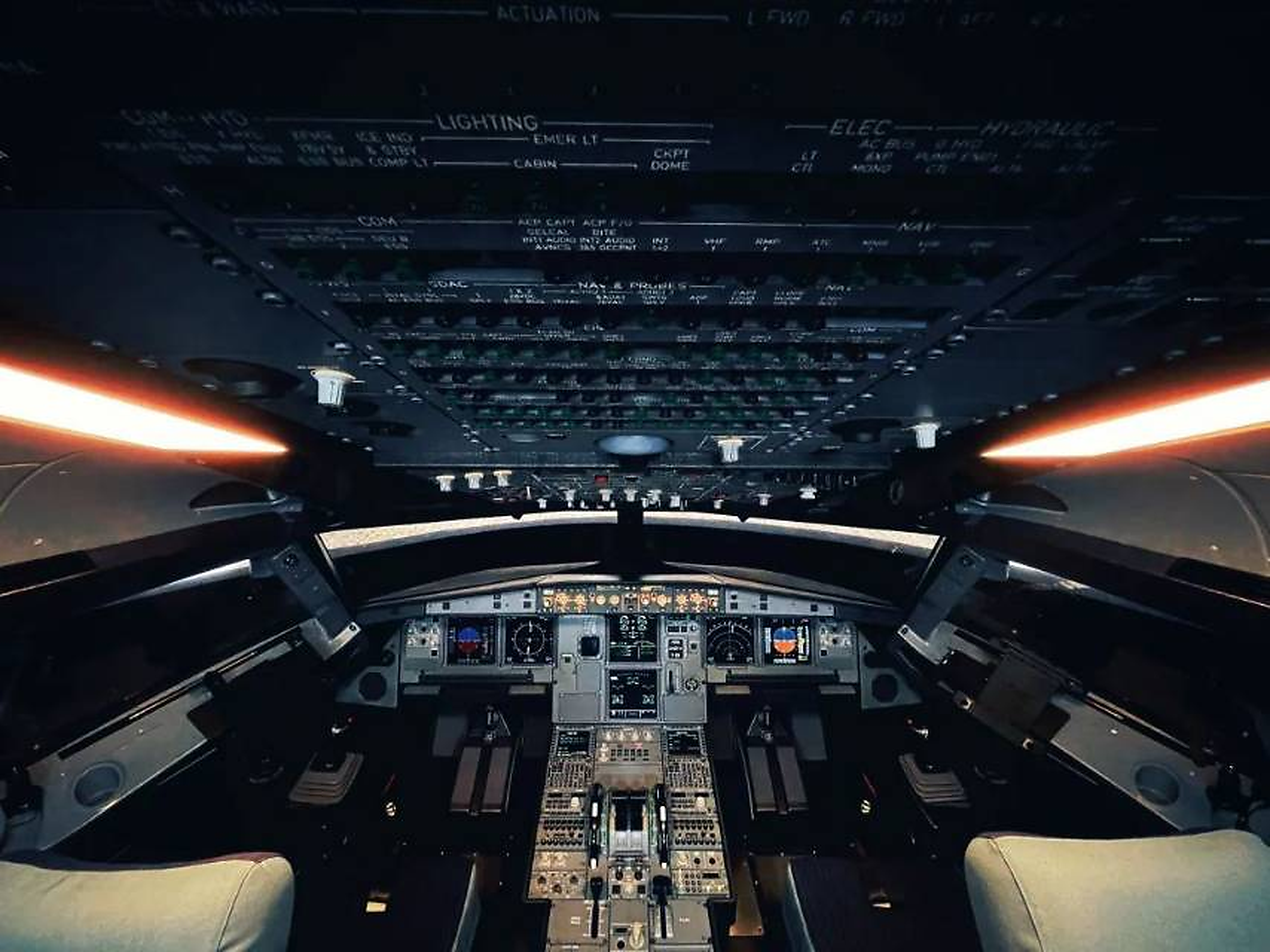
The qualification offers an example of how a privately owned manufacturer and a centrally administered state-owned enterprise can work together on advanced equipment. It also illustrates collaboration between a training center operating under China’s Part 142 rules and a simulator manufacturer. The companies said they would build on the project in line with the CAAC’s emphasis on technology and innovation in its 14th Five-Year Plan. They plan to continue work on pilot lifecycle management (PLM), flight simulation, evidence-based training (EBT) and crew resource management (CRM). Their aim is to align simulator design and development more closely with operating needs, improve product competitiveness and support the development of civil aviation in China.
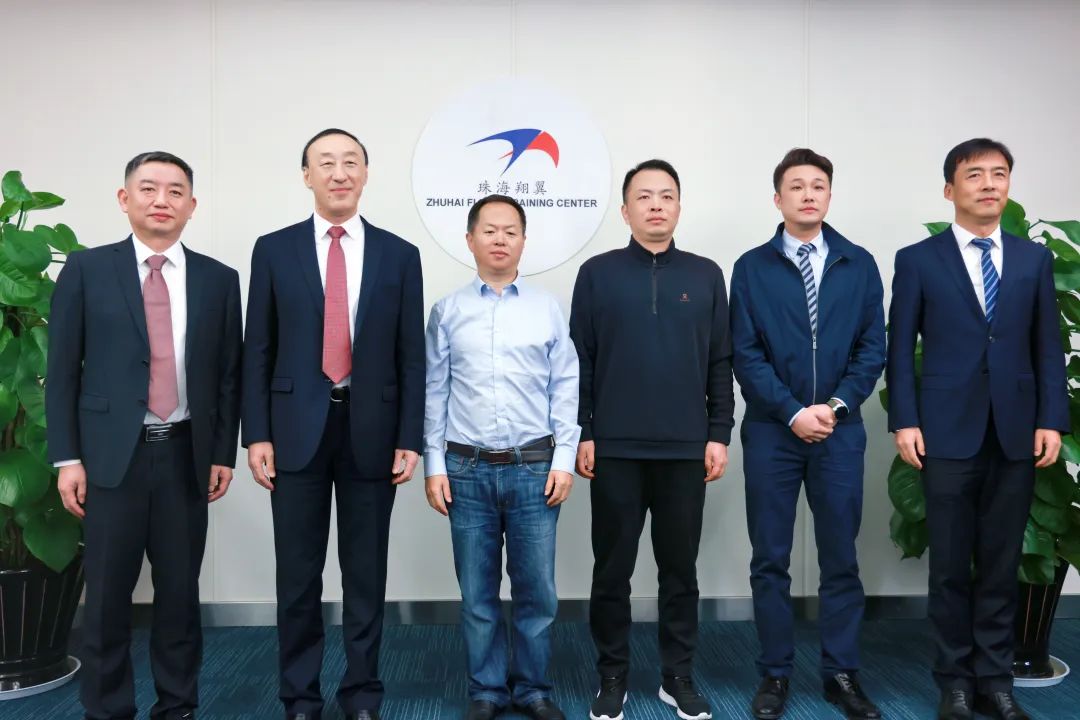
Representatives of the regulator and company leaders